
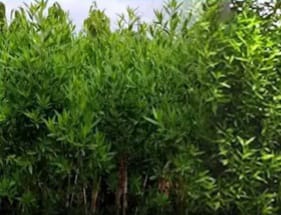

Conocarpus, a tree species commonly found in tropical and subtropical regions, has been shrouded in controversy due to claims of its alleged poisonous and deoxygenating properties. But is there any truth to these assertions? In this blog, we’ll delve into the facts and separate myth from reality, exploring whether Conocarpus is suitable for coastal areas or populated cities.
Is Conocarpus Poisonous?
Rumors have circulated that Conocarpus is poisonous, with some claiming that its leaves, seeds, or sap contain toxic compounds. However, there is limited scientific evidence to support these claims. In fact, studies have shown that Conocarpus is not toxic to humans or animals, and its parts are not known to cause any significant harm.
Is Conocarpus Deoxygenating?
Another claim suggests that Conocarpus is a deoxygenating plant, meaning it absorbs oxygen from the air and releases carbon dioxide at a higher rate than other plants. This has led some to believe that the tree is harmful to the environment and human health. However, this claim is also largely unfounded.
Plants, including Conocarpus, undergo photosynthesis, a process in which they absorb carbon dioxide and release oxygen. While it’s true that some plants, like those in the genus Conocarpus, may have higher rates of respiration than others, this does not mean they are deoxygenating. In fact, Conocarpus, like all plants, produces oxygen as a byproduct of photosynthesis, contributing to the oxygenation of the air.

Is Conocarpus Suitable for Coastal Areas?
Conocarpus is often found in coastal areas, where it thrives in the salty, windy conditions. Its ability to tolerate high levels of salt and drought makes it an ideal species for coastal ecosystems. In fact, Conocarpus has been used in coastal restoration projects to help stabilise soil and prevent erosion.
Is Conocarpus Suitable for Populated Cities?
While Conocarpus can be a valuable species in coastal ecosystems, its suitability for populated cities is a different story. The tree’s large size and spreading canopy can make it difficult to maintain in urban areas, where space is limited. Additionally, Conocarpus produces small, fragrant flowers that can cause allergic reactions in some people.
However, with proper pruning and maintenance, Conocarpus can be a beautiful and beneficial addition to urban landscapes. Its ability to tolerate pollution and provide shade makes it an attractive option for city parks and gardens.
Conclusion
In conclusion, the claims that Conocarpus is a poisonous and deoxygenating plant are largely unfounded. While it may not be the best choice for populated cities due to its size and potential allergenic properties, Conocarpus is a valuable species in coastal ecosystems. Its ability to thrive in salty, windy conditions makes it an ideal choice for coastal restoration projects, and its benefits to the environment and human health should not be overlooked.
References:
- “Conocarpus erectus.” Kew Royal Botanic Gardens, 2022
- “Conocarpus.” Encyclopedia Britannica, 2022
- “Coastal Restoration with Native Species.” Coastal Restoration Foundation, 2022
Note: This blog post is for general informational purposes only and should not be considered as professional advice. If you have any specific concerns or questions, please consult with a qualified expert or healthcare professional.