

The mobile phone has come a long way since its inception in the 1970s. From bulky, basic devices to sleek, sophisticated smartphones, the journey of mobile phones has been nothing short of remarkable. In this blog, we’ll take a walk down memory lane, exploring the history of mobile phones, their transformation over the years, and what the future holds for these incredible devices.
The Early Years (1970s-1980s)
The first mobile phone was demonstrated by Martin Cooper, an engineer at Motorola, in 1973. The device weighed a whopping 2.4 pounds and had a talk time of just 30 minutes. The first commercial mobile phone, the Motorola DynaTAC 8000X, was released in 1983. It was a bulky device that cost around $4,000, equivalent to approximately $10,000 today.
The Ana log Era (1980s-1990s)
The 1980s saw the introduction of analog mobile phones, which used cellular networks to connect calls. These phones were smaller and more affordable than their predecessors, but still relatively expensive. The 1990s witnessed the rise of digital mobile phones, which offered better sound quality, longer battery life, and new features like text messaging.
The Dawn of Smartphones (2000s)
The launch of the first smartphone, the IBM Simon, in 1994, marked a significant turning point in the history of mobile phones. However, it was the introduction of the Apple iPhone in 2007 that revolutionised the industry. The iPhone’s multi-touch interface, app store, and sleek design set a new standard for smartphones.
The Android Era (2008-Present)
Google’s Android operating system, launched in 2008, provided a viable alternative to Apple’s iOS. Android’s open-source nature and customisation options made it a favourite among manufacturers and users alike. Today, Android dominates the global smartphone market, with a wide range of devices available across various price segments.
Modern Marvels (2010s-Present)
The past decade has seen tremendous innovation in mobile phone technology. Some notable advancements include:
- High-Speed Internet: The introduction of 4G and 5G networks has enabled faster data speeds, making it possible to stream high-quality videos, play online games, and more.
- Artificial Intelligence: AI-powered features like virtual assistants, facial recognition, and predictive maintenance have become increasingly common.
- Camera Capabilities: Advances in camera technology have led to improved image quality, optical zoom, and features like portrait mode and night mode.
- Bio metric Security: Fingerprint scanners, facial recognition, and iris scanning have enhanced mobile security, making it more convenient and secure.
The Future of Mobile Phones
As we look to the future, several trends are likely to shape the mobile phone industry:
- Fold able and Flexible Displays: Devices with fold able and flexible displays will become more mainstream, offering new form factors and use cases.
- 5G and 6G: Next-generation networks will enable even faster data speeds, lower latency, and greater connectivity.
- Artificial Intelligence and Machine Learning: AI will continue to play a vital role in mobile phones, enhancing features like camera capabilities, battery life, and overall user experience.
- Sustainability and Eco-Friendliness: Manufacturers will focus on creating more sustainable and eco-friendly devices, using recycled materials and reducing electronic waste.
Envisioning the Future: Solar-Powered Cameras and More
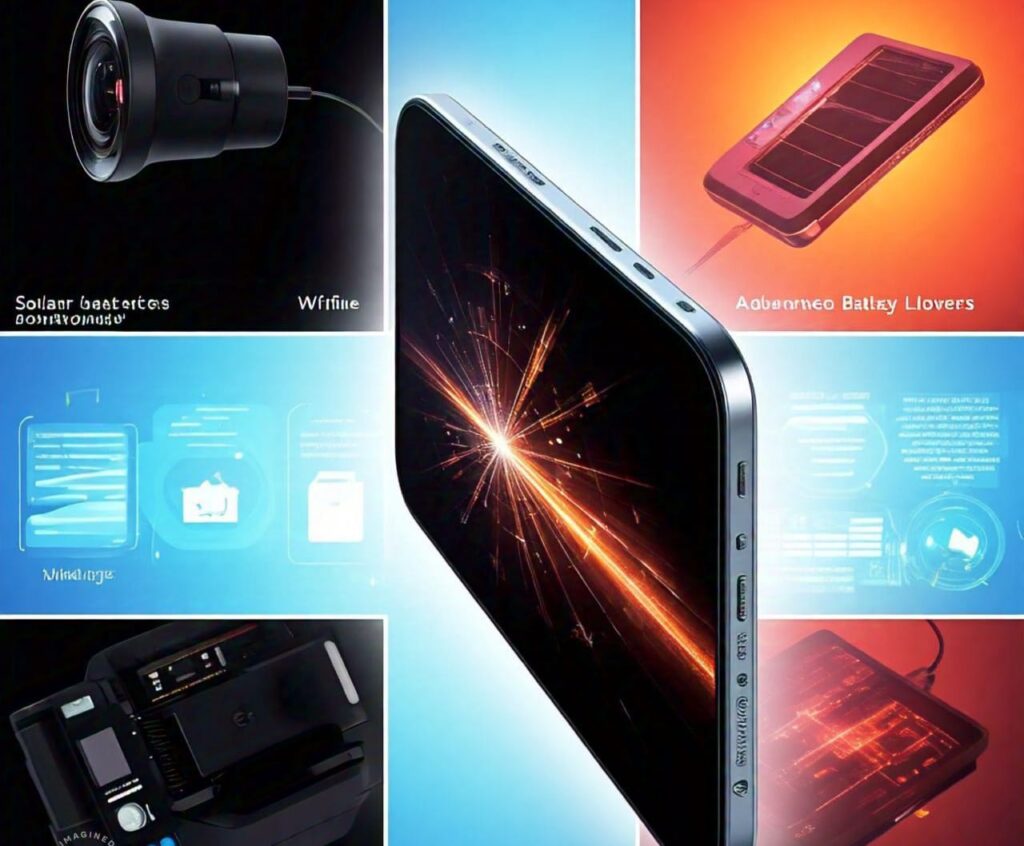
Imagine a future where mobile phones are equipped with:
- Solar Cameras: Cameras that harness solar energy to power themselves, reducing the need for battery charging.
- Advanced Battery Technology: Batteries that are more efficient, longer-lasting, and environmentally friendly.
- WiFi and Network Problem-Solvers: Technologies that mitigate WiFi and network connectivity issues, such as Li-Fi, mesh networking, or quantum communication.
These innovations could revolutionise the way we use our mobile phones, making them more convenient, sustainable, and powerful. As we continue to push the boundaries of what’s possible, it’s exciting to think about what the future holds for these incredible devices.
In conclusion, the history of mobile phones is a testament to human innovation and the relentless pursuit of progress. From humble beginnings to the sophisticated devices of today, mobile phones have revolutionised the way we communicate, work, and live. As we embark on a new decade, it’s exciting to think about what the future holds for these incredible devices.