
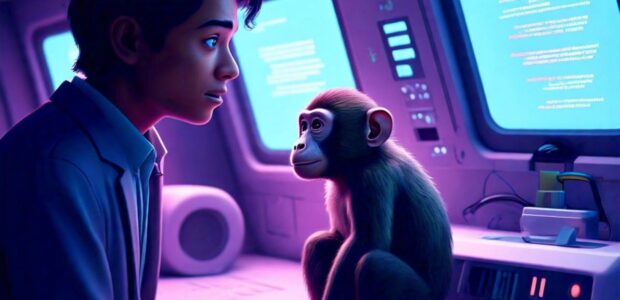

For centuries, humans have been fascinated by the possibility of communicating with animals. From Dr. Do little to animal whisperers, we’ve always been drawn to the idea of understanding and talking to our furry and feathered friends. With the rapid advancements in Artificial Intelligence (AI), we’re on the cusp of a revolution that could make this dream a reality. In this blog, we’ll explore the future of animal communication and how AI can help us understand and talk to animals.

The Current State of Animal Communication:
While we’ve made significant progress in understanding animal behaviour and body language, we’re still far from being able to have a conversation with animals. Scientists have been studying animal communication for decades, and we’ve learned that many species have complex languages and social structures. However, deciphering these languages has proven to be a daunting task.
The Role of AI in Animal Communication:
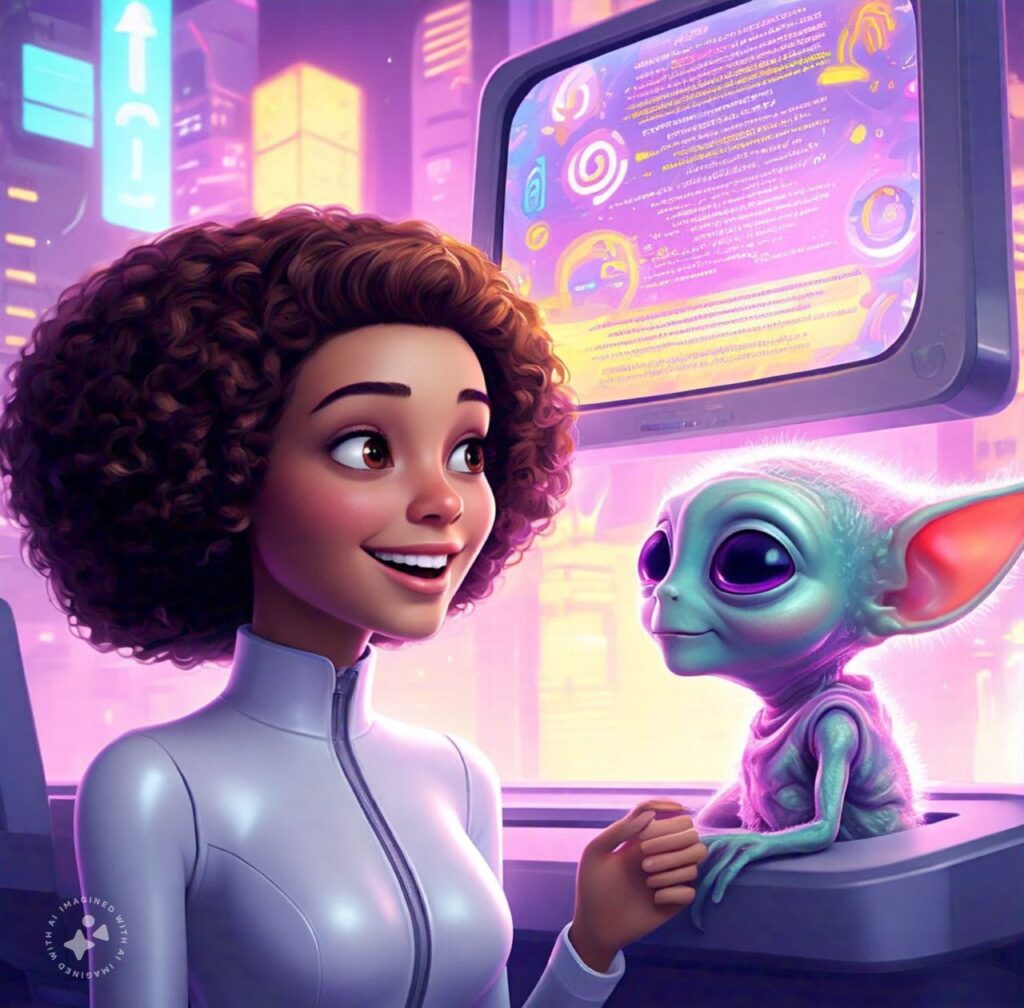
AI has the potential to revolutionise the field of animal communication. By analysing large datasets of animal vocalisations, behaviour, and brain activity, AI algorithms can identify patterns and decode animal languages. This can be achieved through various techniques, such as:
- Machine Learning: AI-powered machine learning algorithms can be trained on large datasets of animal vocalisations to recognize patterns and identify specific words or phrases.
- Neural Networks: Neural networks can be used to analyze brain activity in animals, allowing us to better understand their thought processes and decision-making.
- Computer Vision: Computer vision can be used to analyze animal behaviour, such as body language and facial expressions, to better understand their emotional states.
Breakthroughs and Success Stories:
While we’re still in the early stages of developing AI-powered animal communication systems, there have been several breakthroughs and success stories. For example:
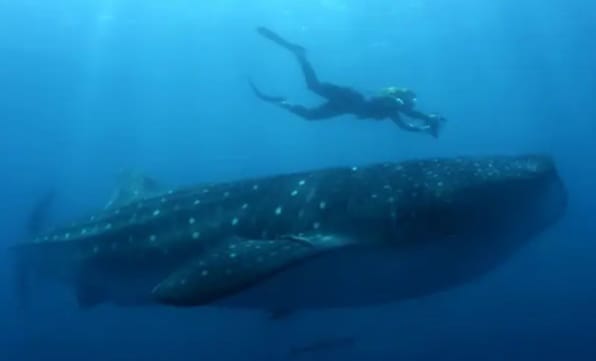
- Primate Language: Researchers have used AI to decode the language of primates, such as chimpanzees and bonobos.
- Dolphin Communication: Scientists have used AI to analyze the vocalisations of dolphins and identify specific words and phrases.
- Animal-Computer Interfaces: Researchers have developed animal-computer interfaces that allow animals to communicate with humans through touchscreens and other devices.
The Future of Animal Communication:
As AI continues to advance, we can expect to see significant breakthroughs in animal communication. In the near future, we may see the development of:
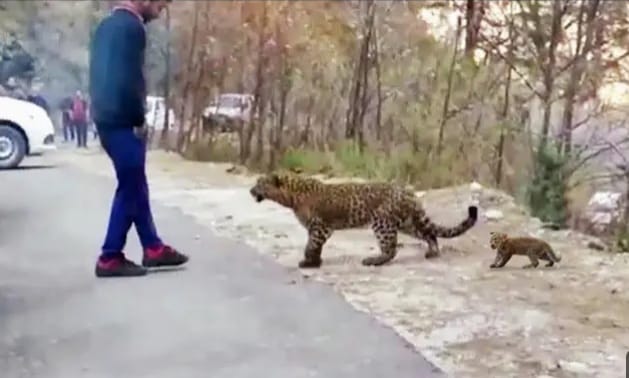
- Animal Translation Devices: Wearable devices that can translate animal vocalisations into human language in real-time.
- Animal-Computer Interfaces: Advanced interfaces that allow animals to communicate with humans through touchscreens, voice commands, and other devices.
- Animal Language Learning: AI-powered language learning systems that can teach humans to understand and speak animal languages.
Conclusion:
The future of animal communication is exciting and full of possibilities. With the help of AI, we may soon be able to talk to animals and understand their languages. This could have a profound impact on our relationship with animals, from improving animal welfare to enhancing conservation efforts. As we continue to push the boundaries of animal communication, we may discover that the animals we share our planet with have more to teach us than we ever imagined.