
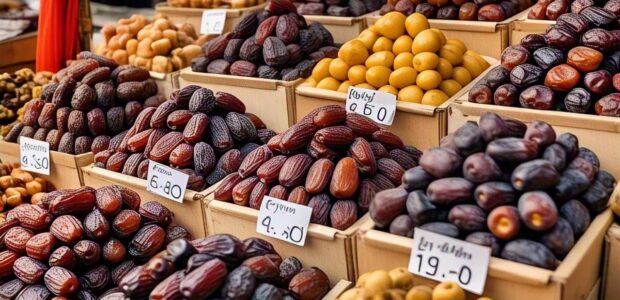

Breaking the Fast with Blessings: The Significance of Dates in Iftar
As the holy month of Ramadan commences, Muslims around the world eagerly anticipate the moment of iftar, when the day’s fast is broken. One of the most cherished and enduring traditions of iftar is the consumption of dates. This simple yet profound practice holds immense spiritual and nutritional significance.

The Spiritual Significance of Dates in Iftar
The Prophet Muhammad (peace be upon him) is reported to have said, “When one of you is fasting, he should break his fast with dates; if he does not have any dates, then with water, for it is pure.” (Sunan Abu Dawud) This prophetic tradition has been faithfully observed by Muslims for centuries, symbolizing obedience, gratitude, and the pursuit of spiritual growth.
3 Benefits of Dates
Dates are a nutrient-rich food that offers numerous health benefits, making them an ideal choice for breaking the fast:
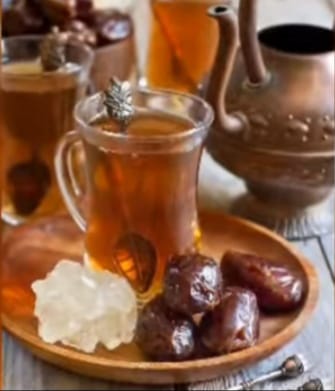
- Natural Source of Sugar: Dates are rich in natural sugars, providing a quick and sustained energy boost after a day of fasting.
- High in Fiber: Dates are an excellent source of dietary fiber, which helps regulate digestion, promote satiety, and support healthy blood sugar levels.
- Antioxidant Properties: Dates contain a range of antioxidants, including flavonoids and phenolic acids, which help protect against oxidative stress, inflammation, and cell damage.
3 Popular Types of Dates
With over 100 varieties of dates, each with its unique flavor, texture, and nutritional profile, here are three popular types of dates commonly consumed during Ramadan:
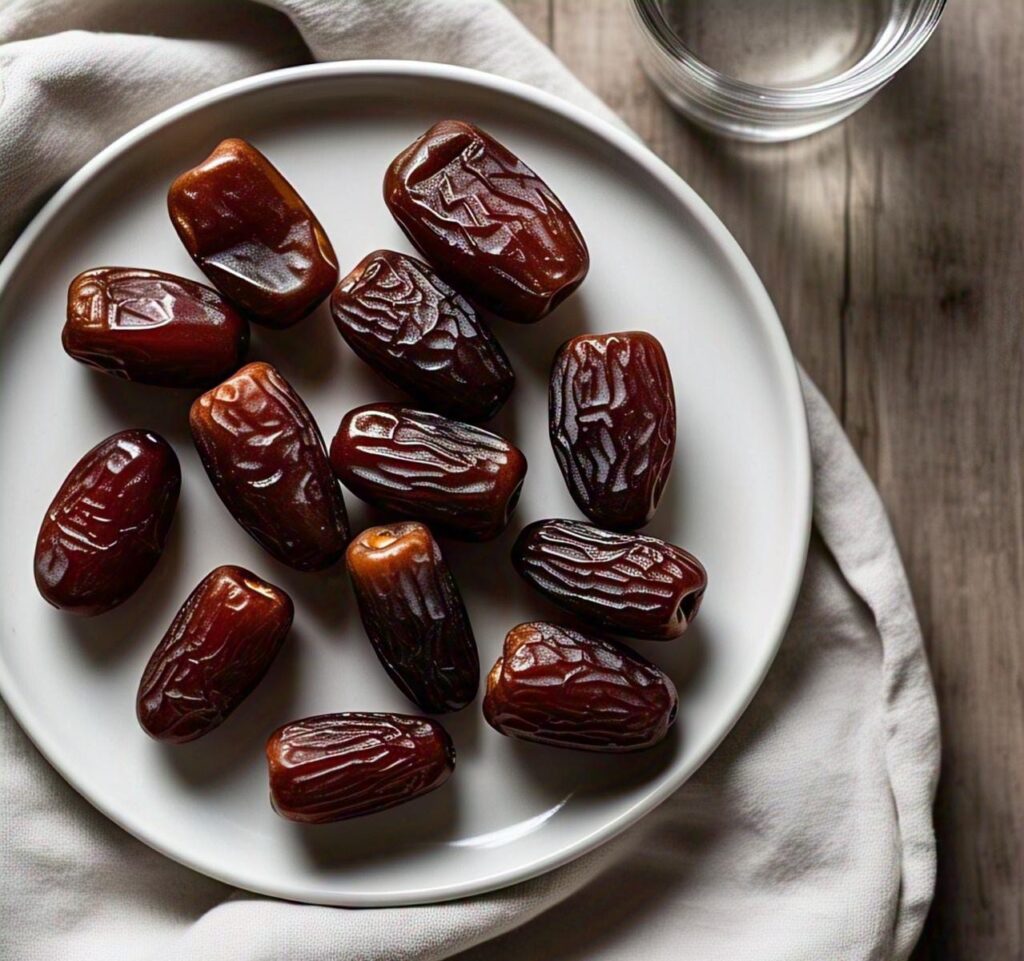
- Irani dates, also known as Iranian dates, are renowned for their succulent sweetness and firm texture. Grown in Iran’s tropical regions, these dates are rich in fiber, potassium, and antioxidants, making them a popular choice for snacking, baking, and traditional Middle Eastern cuisine.
- Ajwa Dates: Native to Saudi Arabia, Ajwa dates are prized for their delicate, sweet flavor and firm, meaty texture.
- Barhi Dates: Hailing from Iraq, Barhi dates are renowned for their sweet, slightly crunchy texture and are often considered a delicacy.
Conclusion
The tradition of breaking the fast with dates during Ramadan is a cherished and meaningful practice that transcends cultural boundaries. Rich in spiritual significance and nutritional benefits, dates provide a perfect way to replenish energy, nourish the body, and honour the divine. As we observe this blessed month, let us continue to cherish this timeless tradition, savouring the sweetness of dates and the blessings of Ramadan.