


Fasting, or abstaining from food and drink, is a practice that has been observed across cultures and religions for centuries. While its purpose and methods may vary, fasting remains a fundamental aspect of spiritual growth and development in many faith traditions.

The Significance of Fasting
Fasting is a means of cultivating self-control, discipline, and detachment from worldly desires. By abstaining from physical needs, individuals can focus on their spiritual growth, seek forgiveness, and deepen their connection with the divine.
Fasting in Different Religions

Islam: Ramadan and the Spiritual Fast
In Islam, fasting during the month of Ramadan is one of the Five Pillars of the faith. Muslims fast from dawn to sunset, abstaining from food, drink, and other physical desires.
Christianity: Lent and the 40-Day Fast

In Christianity, fasting is observed during the season of Lent, which precedes Easter. Many Christians fast for 40 days, modeled after Jesus’ 40-day fast in the wilderness.
Judaism: Yom Kippur and the Day of Atonement
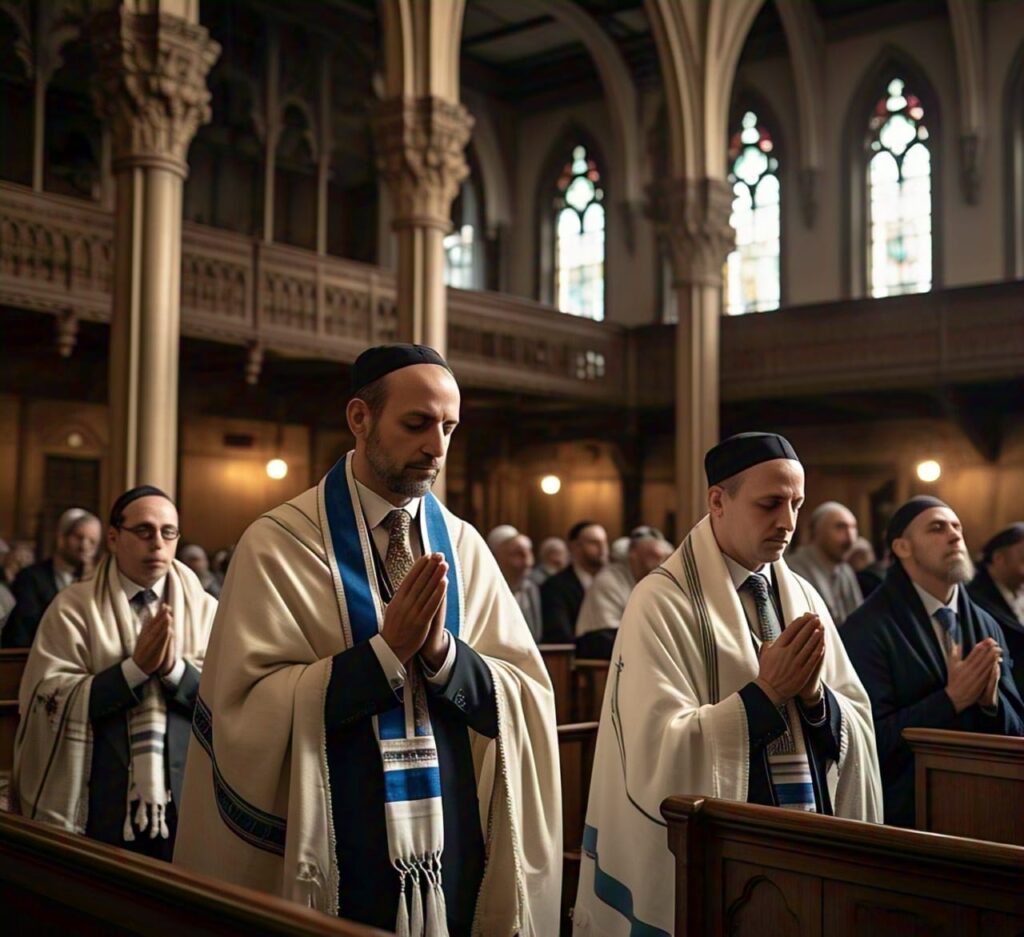
In Judaism, fasting is observed on Yom Kippur, the Day of Atonement. This 25-hour fast is meant to atone for sins committed during the past year.
Hinduism: Fasting and Self-Control

In Hinduism, fasting is known as upavasa or vrata. It is observed on various days of the week, month, or year, depending on the individual’s spiritual goals and astrological influences.
Buddhism: Fasting and Mindfulness
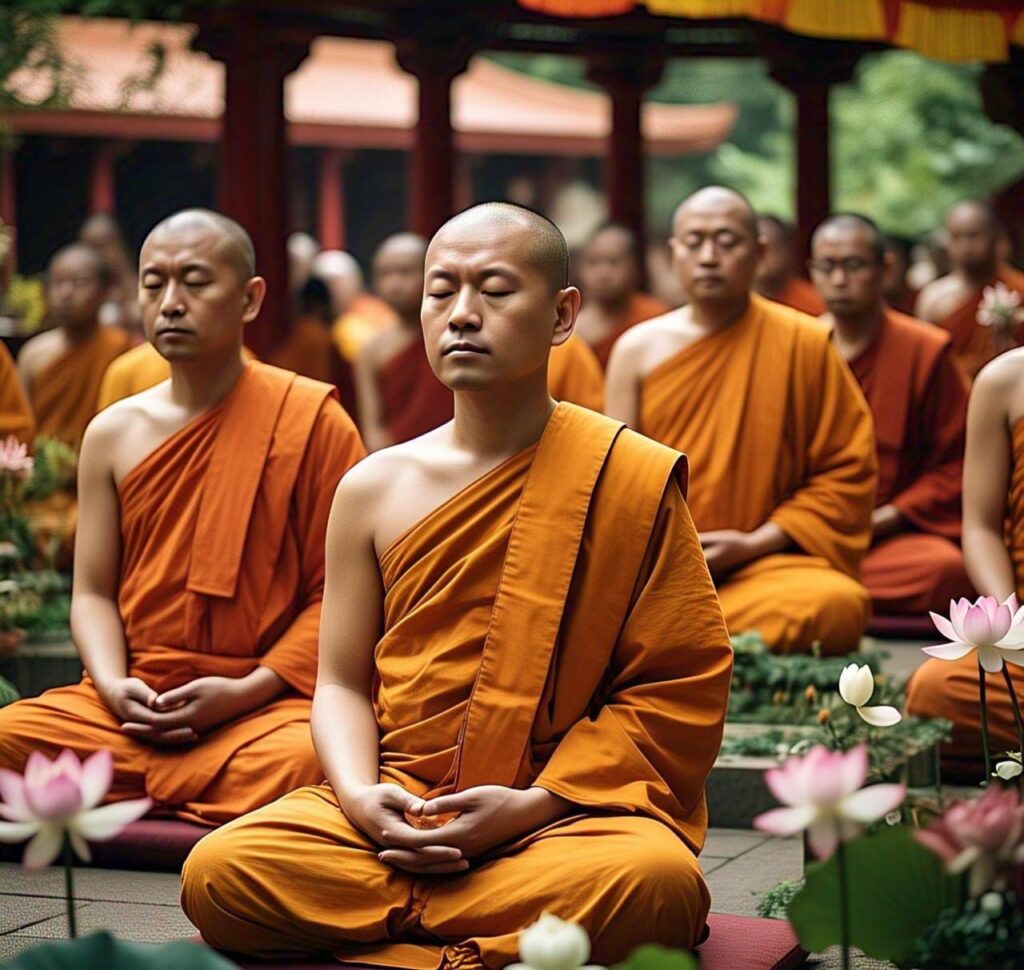
In Buddhism, fasting is not obligatory, but it is practised by some as a means of cultivating mindfulness and detachment.
Sikhism: Fasting and Spiritual Discipline

In Sikhism, fasting is not mandatory, but it is encouraged as a means of spiritual discipline and self-control.
Conclusion
Fasting is a universal language of spiritual growth, observed across cultures and religions. While its purpose and methods may vary, fasting remains a powerful means of cultivating self-control, discipline, and detachment from worldly desires.
Whether you’re observing Ramadan, Lent, Yom Kippur, or another fasting tradition, remember that the underlying goal is the same: to seek spiritual renewal, forgiveness, and a deeper connection with the divine.
Share your thoughts on fasting and spiritual growth in the comments below!