

Persian literature, with its rich history and profound impact, has been a beacon of wisdom, love, and beauty for centuries. From the sublime poetry of Rumi and Hafiz to the philosophical insights of Omar Khayyam and Al-Ghazali, Persian literature has captivated hearts and minds across cultures and time.
The Sufi Poets: Rumi, Hafiz, and Khayyam
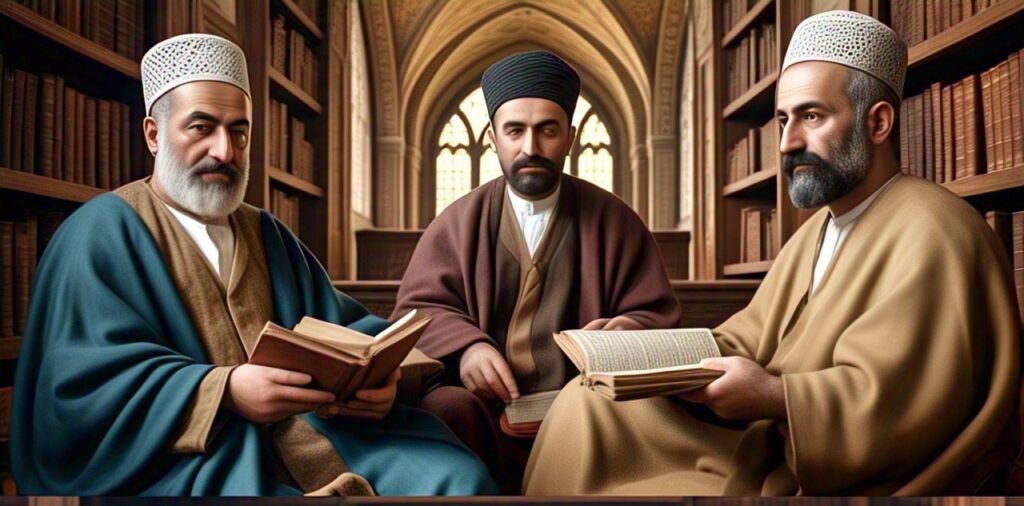
- Rumi (Jalāl ad-Dīn Muhammad Rūmī): A 13th-century Sufi poet and mystic, Rumi’s works are renowned for their spiritual depth and emotional resonance. His poetry explores themes of love, spirituality, and the human condition, inspiring readers worldwide.
- Hafiz (Khwāja Shams-ud-Dīn Muhammad Ḥāfeẓ-e Shīrāzī): A 14th-century Persian poet, Hafiz’s ghazals (odes) are celebrated for their lyrical beauty and mystical themes. His poetry often explores the complexities of love, spirituality, and the human experience.
- Omar Khayyam (Ghiyāth ad-Dīn Abū’l-Fatḥ ʿUmar ibn Ibrāhīm al-Khayyām): An 11th-century poet, mathematician, and astronomer, Khayyam’s Rubaiyat (quatrains) are famous for their philosophical insights and poetic beauty. His works often grapple with the nature of existence, the fleeting nature of life, and the search for meaning.
The Philosophers: Al-Ghazali and Ibn Arabi
- Al-Ghazali (Abū Ḥāmid Muḥammad ibn Muḥammad al-Ghazālī): An 11th-century Islamic philosopher and theologian, Al-Ghazali’s works had a profound impact on Islamic thought and Persian literature. His writings often explored the relationship between faith and reason, the nature of God, and the human condition.
- Ibn Arabi (Muḥyīddīn Ibn ʿArabī): A 12th-century Sufi mystic and philosopher, Ibn Arabi’s works are renowned for their spiritual insights and philosophical depth. His writings often explored the nature of reality, the human condition, and the relationship between the individual and the Divine.
The Modern Era: Iqbal and Ghalib
- Muhammad Iqbal (Allama Iqbal): A 20th-century Pakistani poet, philosopher, and politician, Iqbal’s works often explored themes of identity, nationalism, and spirituality. His poetry is known for its philosophical depth and emotional resonance.
- Mirza Ghalib (Asadullāh Beg Khān G̲h̲ālib): A 19th-century Indian poet, Ghalib’s ghazals are celebrated for their lyrical beauty and philosophical insights. His poetry often explores themes of love, loss, and the human condition.
The Significance of Persian Literature
Persian literature has had a profound impact on cultures and societies across the Middle East, South Asia, and beyond. Its significance can be seen in several areas:

- Cultural Exchange: Persian literature has facilitated cultural exchange between different civilizations, promoting understanding, tolerance, and mutual respect.
- Spiritual Insights: Persian literature often explores themes of spirituality, mysticism, and the human condition, providing readers with profound insights into the nature of existence and the human experience.
- Literary Influence: Persian literature has influenced literary traditions across the Middle East, South Asia, and beyond, shaping the development of poetry, prose, and other forms of creative expression.
In conclusion, Persian literature is a rich and diverse tapestry of wisdom, beauty, and cultural significance. From the sublime poetry of Rumi and Hafiz to the philosophical insights of Al-Ghazali and Ibn Arabi, Persian literature continues to inspire readers worldwide, offering a profound understanding of the human experience and the complexities of existence.