
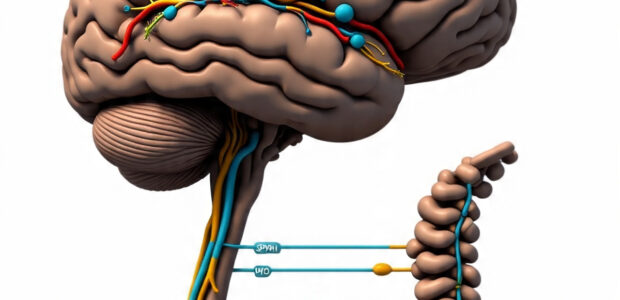

The Central Nervous System (CNS), comprising the brain and spinal cord, is the intricate network that governs our thoughts, movements, and bodily functions. This extraordinary system enables us to perceive, process, and respond to the world around us, making it the essence of our existence.
CNS is the most complex and sophisticated system in the human body, accounting for only 2% of our body weight yet consuming approximately 20% of our energy expenditure. This intricate network of neurons, glial cells, and fibers orchestrates our every move, thought, and emotion, making it the epicenter of human experience.
By processing information from the senses, the CNS coordinates everything from voluntary actions like walking to automatic functions like breathing and heartbeat.
Functions of the CNS:
1. Control Movement: CNS sends signals to muscles and glands, enabling voluntary and involuntary movements, from the subtlest gesture to the most vigorous athletic feat.
2. Process Sensory Info: CNS receives and interprets sensory data from sensory receptors, allowing us to perceive and navigate our environment.
3. Regulate Body Functions: CNS controls autonomic functions, such as heart rate, breathing, and digestion,ensuring our body’s internal harmony.
Components of the CNS:
1.Brain:
- Cerebrum: The largest part, responsible for processing sensory info, controlling movement, and managing higher-level cognitive functions.
- Cerebellum: Coordinates movements, balance, and posture.
- Brainstem: Regulates vital functions, such as breathing, heart rate, and blood pressure.
2. Spinal Cord:
- Transmits signals between brain and body, facilitating communication and control.
Key Structures and Their Functions:
Neurotransmitters:
1. Dopamine: The “pleasure molecule,” regulating movement, motivation, and reward processing. 2. Serotonin: The “mood stabilizer,” involved in mood regulation, appetite, and sleep-wake cycles.
3. Acetylcholine: The “muscle activator,” playing a role in muscle contraction, memory, and learning.
CNS Disorders 1. Parkinson’s Disease: A neurodegenerative disorder characterized by tremors, stiffness, and movement difficulties due to dopamine deficiency.
2. Multiple Sclerosis: An autoimmune disease affecting the brain and spinal cord, leading to vision, movement, and cognitive problems.
3. Alzheimer’s Disease: A neurodegenerative disorder causing memory loss, cognitive decline, and dementia.
Interesting Facts:
1. The CNS processes info at speeds of up to 268 mph (432 km/h).
2. The brain uses about 20% of the body’s energy expenditure.
3. The spinal cord is about 18 inches (45 cm) long.
Conclusion:
The CNS is a majestic and intricate system, governing our every thought, movement, and bodily function. Understanding its complexities can help us appreciate its importance and take care of our brain health. By exploring the CNS, we can unlock the secrets of human experience and optimize our cognitive, emotional, and physical well-being.
Without the CNS, we wouldn’t be able to think, feel, or respond to the world. It connects our mental and physical experiences making it essential not just for survival, but for how we experience life.