

Fake news has become a pervasive and insidious force in our society, eroding trust, fuelling anxiety, and creating uncertainty. The spread of misinformation has significant emotional and psychological consequences, affecting individuals and communities alike. This blog explores the far-reaching impact of fake news on our collective well-being and social fabric.
Uncertainty and Anxiety
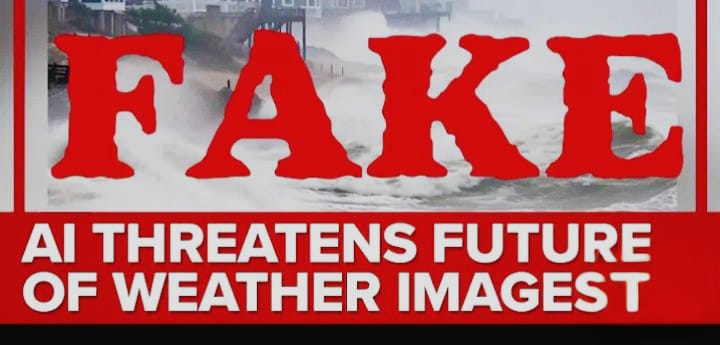
Fake news creates an environment of uncertainty, making it difficult to discern fact from fiction. This ambiguity fosters anxiety, as individuals become increasingly uncertain about what to believe. The constant bombardment of conflicting information can lead to:
- Emotional distress
- Increased stress levels
- Decreased sense of control
Emotional Disturbance
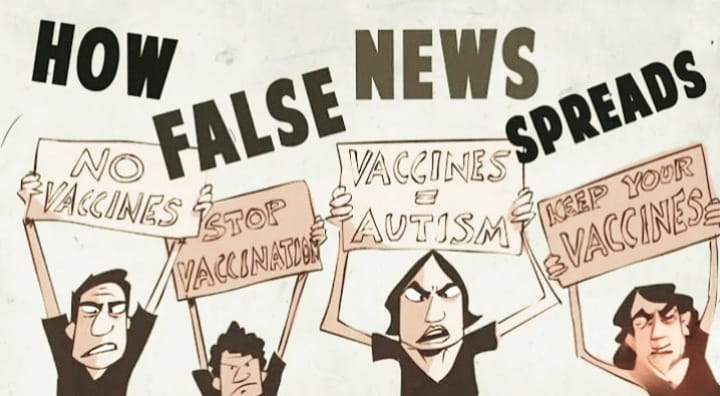
Fake news can trigger intense emotions, including:
- Fear: Exaggerated or fabricated threats can create a sense of impending doom.
- Anger: Misinformation can fuel outrage and hostility towards individuals or groups.
- Sadness: Fake news can lead to feelings of hopelessness and despair.
Fractured Society
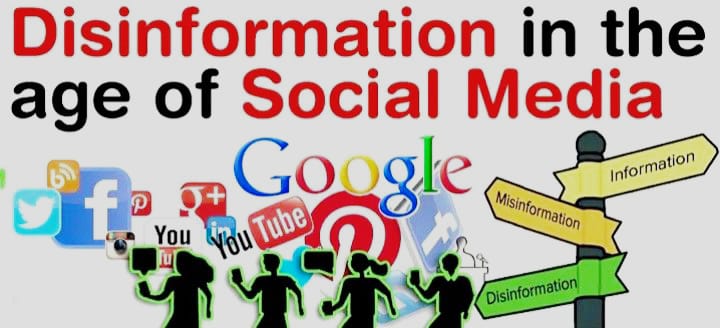
The spread of fake news can:
- Polarise communities: Misinformation can reinforce existing biases, deepening divisions.
- Erode trust: Fake news undermines confidence in institutions, media, and experts.
- Foster social unrest: Misinformation can incite violence, protests, and social chaos.
Combating Fake News
- Media literacy and critical thinking
- Fact-checking and verification
- Responsible social media practices
- Support for quality journalism

Conclusion
Fake news has become a societal scourge, perpetuating uncertainty, emotional disturbance, and social fragmentation. By acknowledging its impact and taking collective action, we can mitigate the effects of fake news and cultivate a more informed, empathetic, and resilient society.