


Introduction
War ravages communities, shatters lives, and leaves deep scars. Yet, amidst the chaos and destruction, a glimmer of hope persists. It’s a resilience that defies the darkness, fuelling the human spirit to persevere and rebuild. In this blog, we’ll explore the trans formative power of hope in the face of war and conflict.
The Devastating Reality of War
War’s brutal consequences are undeniable:
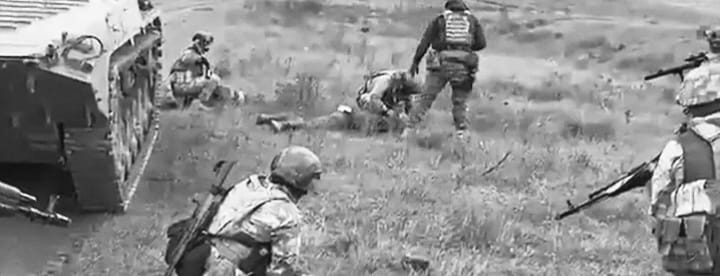
- Displacement and refugee crises
- Human rights abuses and atrocities
- Economic devastation and infrastructure destruction
- Emotional trauma and psychological scarring
The Unyielding Power of Hope

Despite these dire circumstances, hope endures:
- Families reunite and rebuild
- Communities come together to support each other
- Humanitarian efforts provide aid and relief
- Peace negotiations and diplomatic efforts emerge
Stories of Hope
- The White Helmets: Syrian volunteer rescue workers risk their lives to save others amidst bombings and rubble.
- Malala Yousafzai: A Pakistani activist continues to advocate for girls’ education despite Taliban threats.
- The Rwanda Reconciliation Village: Survivors and perpetrators of the Rwandan genocide live together, working towards healing and forgiveness.
The Psychology of Hope
Research shows that hope:
- Enhances mental resilience
- Fosters coping mechanisms
- Encourages social support networks
- Inspires creative problem-solving
Cultivating Hope

In the face of war, we can:
- Support humanitarian organizations
- Advocate for peace and diplomacy
- Engage in community building initiatives
- Share stories of hope and resilience
Conclusion
When war rages, hope endures. It’s a testament to humanity’s capacity for resilience, compassion, and perseverance. By embracing hope, we can transform the narrative of conflict and create a brighter future.
Call to Action
Let us:
- Stand in solidarity with those affected
- Amplify voices of hope and peace
- Support efforts towards reconciliation and rebuilding
Together, we can illuminate the darkness with the beacon of hope.