
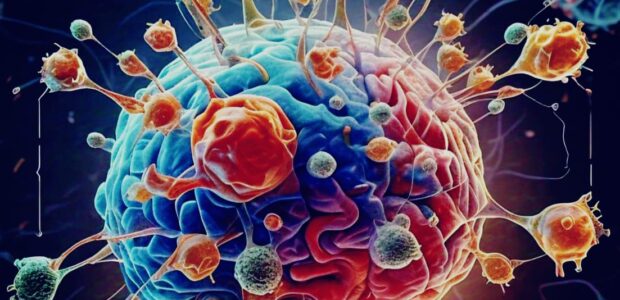

For decades, scientists have recognised the importance of microbiomes in our overall health, particularly in the gut. However, recent research suggests that the brain, too, has its own distinct microbiome. This groundbreaking discovery opens new avenues for understanding cognitive function, neurological disorders, and potential therapies.
What is the Brain Microbiome?
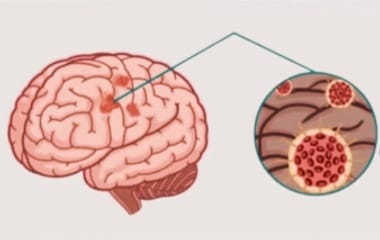
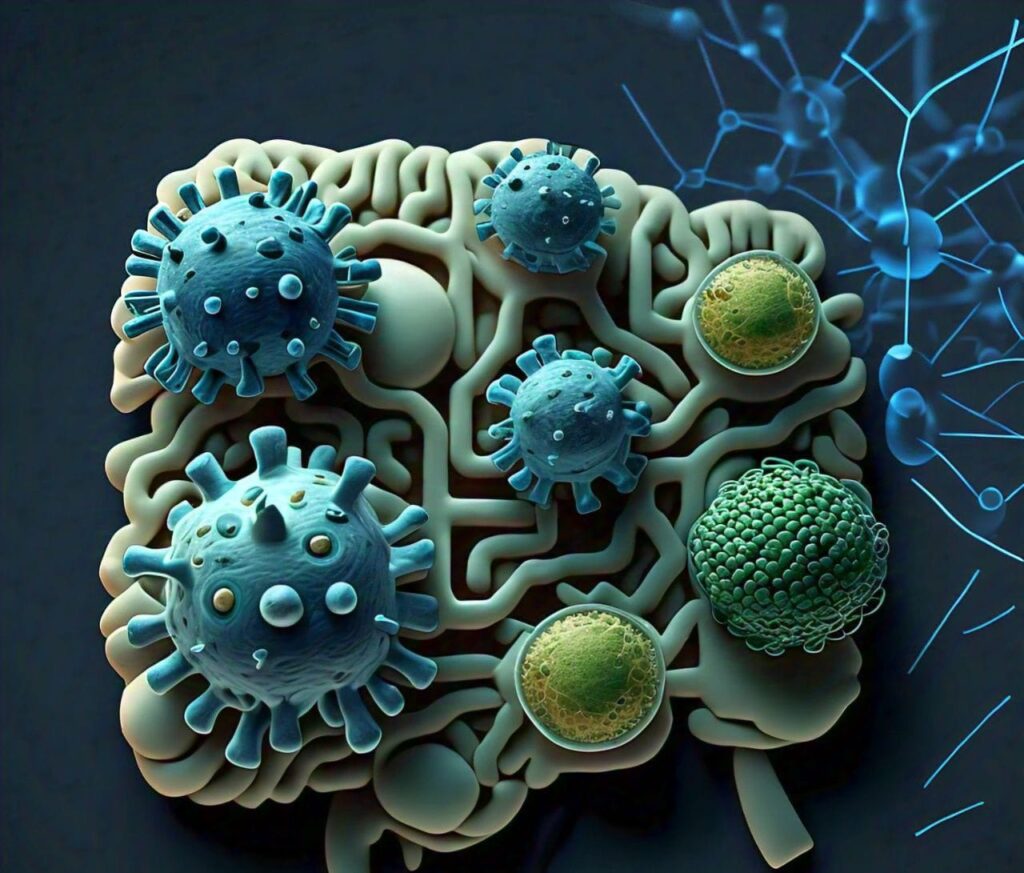
The brain microbiome refers to the trillions of microorganisms residing within brain tissue, cerebrospinal fluid, and the blood-brain barrier. These microbes, primarily bacteria, viruses, and fungi, interact with brain cells, influencing neural function.
Similarities with Gut Microbiome

Like gut bacteria, brain macrobiotic:
- Regulate inflammation
- Modulate immune responses
- Produce neurotransmitters
- Influence hormone production
Impact on Cognitive Health
An imbalance of brain macrobiotic, or symbiosis, may contribute to:
- Brain Fog: Impaired focus, confusion, and mental clarity
- Memory Loss: Forgetting recent events or learning difficulties
- Mood Disorders: Anxiety, depression, and bipolar conditions
- Neurodegenerative Diseases: Alzheimer’s, Parkinson’s, and multiple sclerosis
- Neurodevelopmental Disorders: Autism, ADHD, and schizophrenia
Key Players in Brain Microbiome
Research identifies specific microbes with potential cognitive implications:
- Lactobacillus: Produces neurotransmitters, regulates stress
- Bifidobacterium: Enhances memory, cognitive flexibility
- Streptococcus: Linked to anxiety, depression
- Candida: Associated with Alzheimer’s, cognitive decline
Factors Disrupting Brain Microbiome
- Antibiotics
- Poor diet
- Stress
- Lack of sleep
- Environmental toxins
Maintaining Healthy Brain Microbiome
- Balanced diet rich in fiber, omega-3 fatty acids
- Probiotics, prebiotics
- Regular exercise
- Stress management (meditation, yoga)
- Adequate sleep
Future Directions
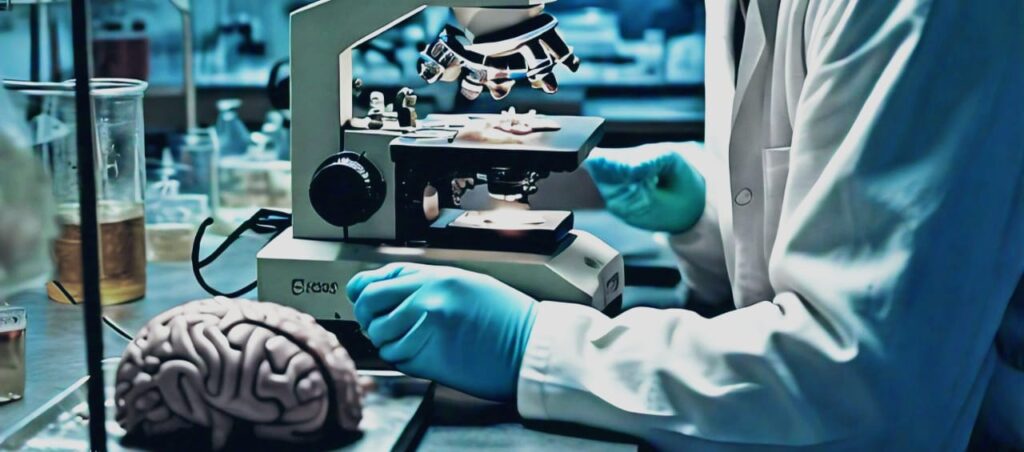
Research on brain microbiome holds promise for:
- Novel therapeutic targets
- Personalized treatments
- Microbiome-based diagnostics
Conclusion
The brain microbiome revolutionizes our understanding of cognitive health. By recognizing the intricate relationships between microorganisms and neural function, we can unlock innovative solutions for neurological disorders. Embracing this knowledge empowers us to prioritize brain health through lifestyle choices and targeted interventions