
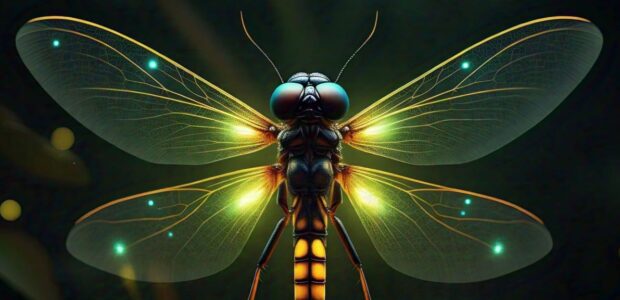

Nature has always been a source of inspiration for bio engineers, and two of the most fascinating examples are fireflies and bioluminescent flowers. Fireflies’ ability to produce light has captivated humans for centuries, while certain flowers’ capacity to glow in the dark has sparked curiosity. In this blog, we’ll delve into the bio engineering behind these natural wonders and explore how scientists are harnessing their secrets to develop innovative technologies.
Firefly Bio engineering
Fireflies, or lightning bugs, use bio luminescence to communicate, attract mates, and warn predators. This complex process involves:
- Lucifer-in: A molecule that reacts with oxygen to produce light.
- Lucifer: An enzyme that catalyzes the reaction.
- Bio luminescent organs: Specialised light-producing organs in the firefly’s abdomen.
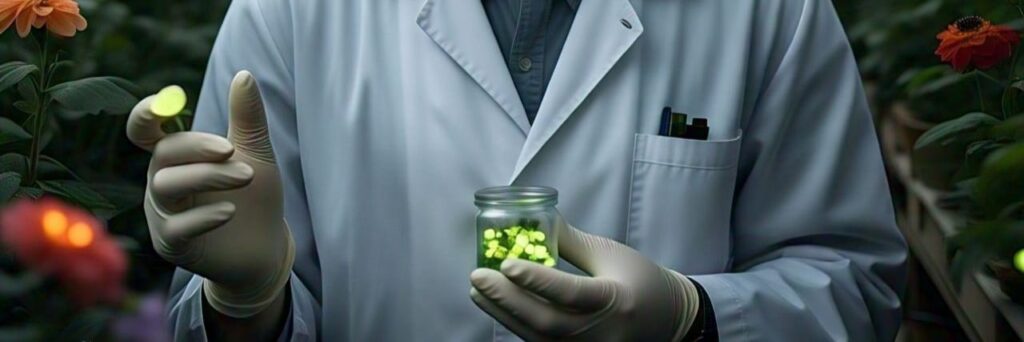
Bio engineers are studying firefly bio luminescence to develop:
- More efficient LED lights: Inspired by firefly light production, researchers are designing LED lights with improved efficiency and colour quality.
- Bio luminescent sensors: Using firefly Lucifer to detect bio molecules, toxins, or diseases.
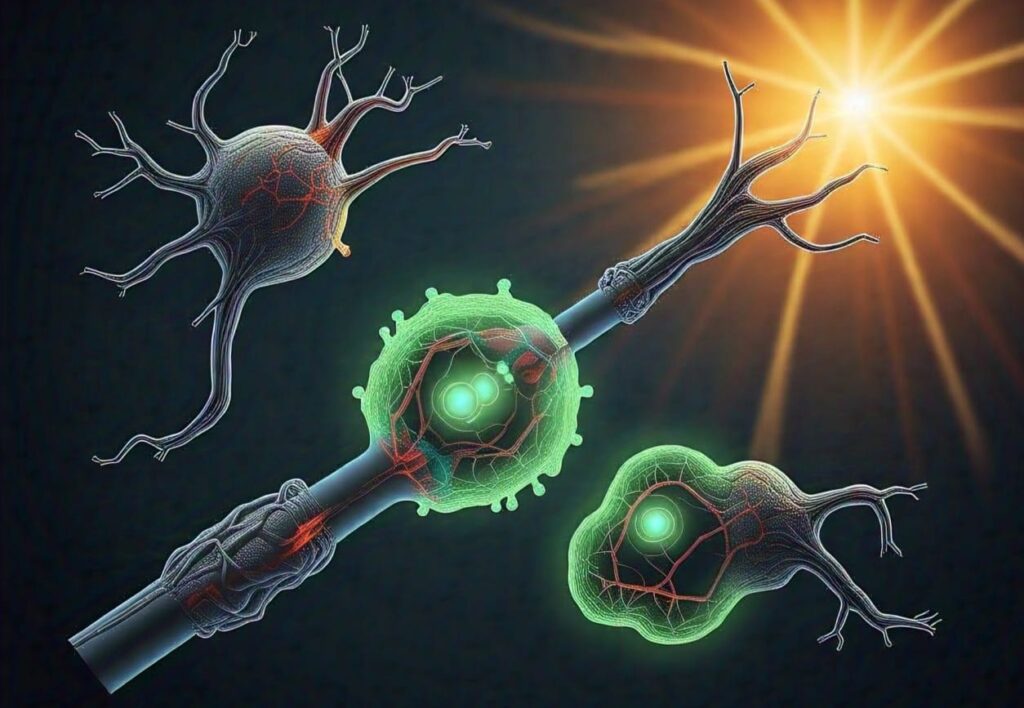
- Optogenetics: Applying firefly-inspired light-sensitive proteins to control cellular processes.
Bio luminescent Flowers
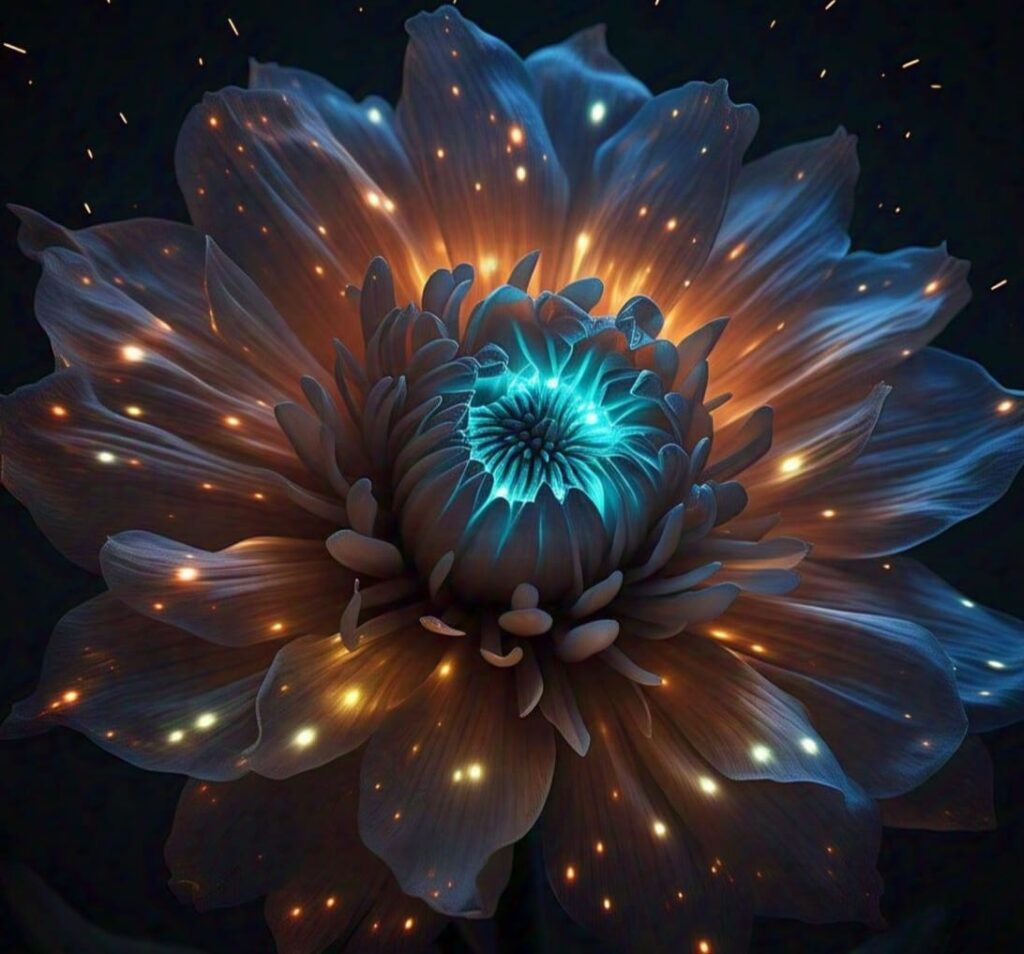
Certain flowers, like the evening primrose (Another specious) and the glowing mushroom (Armillaria mellea), exhibit bio luminescence. This phenomenon is often linked to:
- Chemical reactions: Involving Lucifer-like molecules and oxidative enzymes.
- Fluorescent proteins: Similar to those found in fireflies.
Bio engineers are exploring bioluminescent flowers to:
- Develop novel biosensors: Utilising flower-inspired bio luminescence to detect environmental pollutants.
- Create glowing crops: Engineering crops to produce light, reducing the need for artificial lighting.
- Improve plant breeding: Using bio luminescence to monitor plant growth and development.
Bio engineering Applications
The study of firefly and flower bio luminescence has far-reaching implications:
- Medical imaging: Biol luminescent probes for non-invasive imaging and disease diagnosis.
- Environmental monitoring: Biosensors for detecting water and air pollutants.
- Agricultural innovation: Glowing crops and optimized plant breeding.
- Lighting technology: Energy-efficient, firefly-inspired LED lights.
Challenges and Future Directions
While significant progress has been made, challenges remain:
- Scalability: Translating bioluminescent mechanisms to large-scale applications.
- Stability: Maintaining bioluminescent activity in engineered systems.
- Synthetic biology: Designing novel biological pathways for bio luminescence.
Conclusion
The bio engineering of fireflies and bioluminescent flowers has unlocked new avenues for innovation. By embracing nature’s secrets, scientists are developing groundbreaking technologies that will transform industries and improve our lives.
Key Statistics:
- Fireflies’ bio luminescence is 90% efficient, compared to 5% efficiency in incandescent bulbs (Source: National Geographic)
- Bio luminescent flowers can produce light for up to 16 hours a day (Source: Scientific American)
- The global bio luminescence market is projected to reach $1.3 billion by 2025 (Source: Market sand Markets)
Recommended Reading:
- “Bio luminescence: Fundamentals and Applications” by Dr. Osamu Shimomura
- “Firefly Bio luminescence: A Model for Bio engineering” by Dr. Marc A. Branham
- “Bio luminescent Plants: A New Frontier in Plant Biology” by Dr. June M. Kwak
Resources:
- National Institute of Biomedical Imaging and Bio engineering (NIBIB)
- Biomedical Engineering Society (BMES)
- International Society for Bio luminescence and Chemilumine scence (ISBC)