
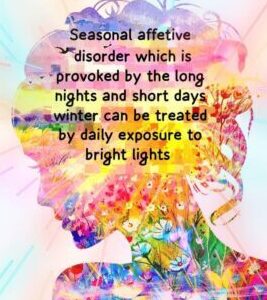

As the seasons change and winter approaches, many of us feel a sense of excitement and cosiness. However, for some individuals, the shorter days and colder temperatures can bring a sense of sadness, lethargy, and hopelessness. This condition is known as Seasonal Affective Disorder (SAD), a type of depression that affects millions of people worldwide.
What is Seasonal Affective Disorder (SAD)?
SAD is a type of depression that occurs at the same time every year, typically during the winter months when there is less sunlight. It is believed that the lack of sunlight affects the body’s internal clock and the production of neurotransmitters like serotonin , leading to feelings of sadness, fatigue, and lethargy.
Symptoms of SAD:
– Feeling sad, empty, or hopeless
– Loss of energy and fatigue
– Difficulty concentrating
– Increased appetite and weight gain
– Irritability and anxiety
– Social withdrawal
Coping with SAD:

1. Light Therapy: Exposure to bright light, especially in the morning, can help regulate the body’s internal clock and improve mood.
2. Exercise: Regular physical activity can help reduce symptoms of SAD.

3. Social Support: Connecting with friends, family, or a therapist can help alleviate feelings of loneliness.
4. Mindfulness: Practising mindfulness techniques, such as meditation and deep breathing, can help manage stress and anxiety.
5. Travel: Taking a winter vacation to a sunny destination can help improve mood and energy levels.
Conclusion:
Seasonal Affective Disorder is a common condition that affects many people during the winter months. By understanding the symptoms and coping strategies, individuals can take control of their mental health and enjoy the winter season with greater joy and positivity. Remember, you are not alone, and there is help available.
Note: If you are experiencing symptoms of SAD, consult with a mental health professional for proper diagnosis and treatment.