

Social media has revolutionised the way we consume and share information, with far-reaching consequences for public opinion. Platforms like Facebook, Twitter, and Instagram have become integral to modern life, influencing how we form opinions, engage with others, and understand the world around u
The Influence of Social Media on Public Opinion:
- Information Overload: Social media platforms bombard us with vast amounts of information, making it challenging to discern fact from fiction.
- Echo Chambers: Algorithms create personalized feeds, often reinforcing existing beliefs and limiting exposure to diverse perspectives.
- Virality and Misinformation: False information spreads quickly, often going viral before fact-checking can occur.
- Influencers and Celebrity Culture: Social media influencers and celebrities wield significant sway over public opinion, sometimes promoting questionable ideas or products.
- Hashtag Activism: Social media enables widespread awareness and mobilisation around social causes, but can also lead to superficial engagement.
The Impact on Public Opinion:
- Popularisation: Social media reinforces existing divisions, contributing to increased polarisation.
- Manipulation: Politicians and interest groups exploit social media to shape public opinion and sway elections.
- Public Discourse: Social media alters the way we engage in public debate, often prioritizing brevity and sensationalism over nuance and depth.
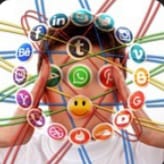
- Mental Health: Social media’s influence on public opinion can have negative effects on mental health, including anxiety, depression, and decreased self-esteem.
Conclusion:
Social media’s impact on public opinion is profound and multifaceted. While it offers unparalleled opportunities for connection and information-sharing, it also presents challenges for critical thinking, nuanced discourse, and informed decision-making. By acknowledging these dynamics, we can work towards a more informed and engaged public sphere.
