


The Pyramids of Egypt, one of the Seven Wonders of the Ancient World, have stood the test of time, captivating human imagination for millennia. These towering structures, built over 4,500 years ago, are a testament to the ingenuity, skill, and determination of the ancient Egyptians. In this blog, we’ll delve into the historical importance and background of these incredible monuments, exploring their significance, construction, and the secrets they hold.
Historical Background:
- The Old Kingdom (2613-2181 BCE): A period of stability and prosperity, during which the pyramids were built.
- Pharaoh Khufu (2589-2566 BCE): Commissioned the Great Pyramid of Giza, the largest pyramid ever built.
- Pharaoh Khafre (2520-2494 BCE): Built the second pyramid of Giza, slightly smaller than the Great Pyramid.
- Pharaoh Menkaure (2490-2472 BCE): Constructed the third pyramid of Giza, the smallest of the three.
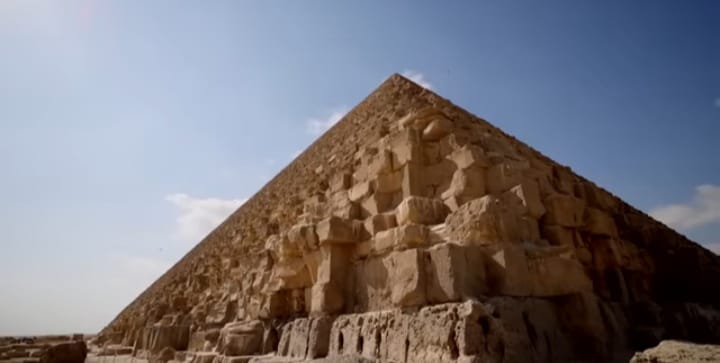
Construction and Architecture:
- The pyramids were built using limestone and granite blocks, some weighing as much as 2.5 tons.
- The Great Pyramid consists of over 2 million stone blocks, with an original height of 481 feet.
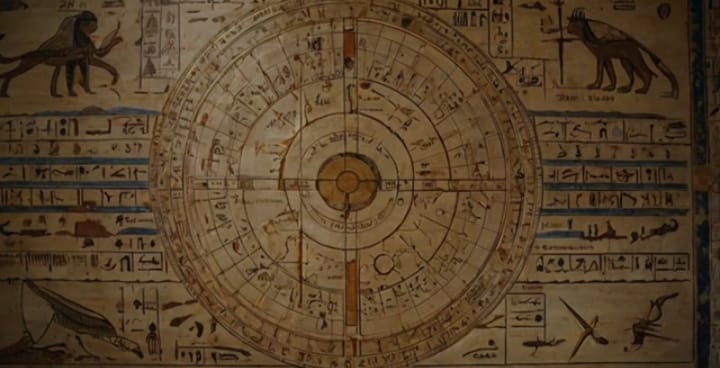
- The pyramids’ precise construction and alignment with celestial bodies demonstrate advanced knowledge of mathematics and astronomy.
Historical Importance:
- The pyramids symbolism ancient Egypt’s power, wealth, and architectural prowess.
- They served as tombs for pharaohs, ensuring their safe passage into the afterlife.
- The pyramids have inspired countless cultures and civilizations, influencing art, architecture, and science.
Conclusion:
The Pyramids of Egypt are an enduring testament to human creativity, perseverance, and innovation. Their historical importance extends beyond their imposing structures, offering a glimpse into ancient Egyptian culture, spirituality, and ingenuity. As we continue to unravel the secrets of these ancient wonders, we are reminded of the boundless potential of human achievement.