
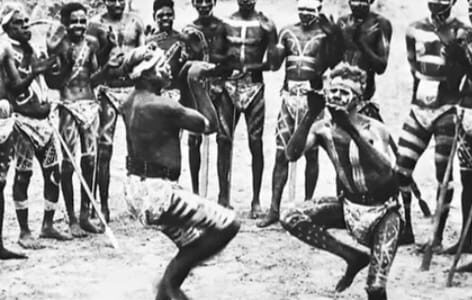

The Haka dance, a traditional war cry of the Maori people, has become an iconic symbol of New Zealand’s rich cultural heritage. This ancient dance form has been an integral part of Maori culture for centuries, and its significance extends beyond the realm of traditional performances.
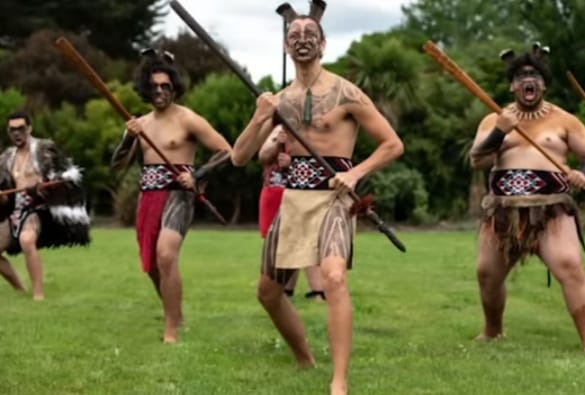
In this blog, we will delve into the history and cultural significance of the Haka dance, highlighting the Maori tribe’s remarkable participation in sports and the army, set against the backdrop of their traditional way of life.
Origins and Cultural Significance
The Haka dance has its roots in ancient Maori tradition, dating back to the 16th century. This powerful dance form was originally performed by Maori warriors before battle, as a way to intimidate their enemies, showcase their strength and unity, and invoke the protection of their ancestors. The Haka dance is characterized by its energetic and synchronised movements, accompanied by a loud, chanting vocal style that sends shivers down the spine.
Participation in Sports
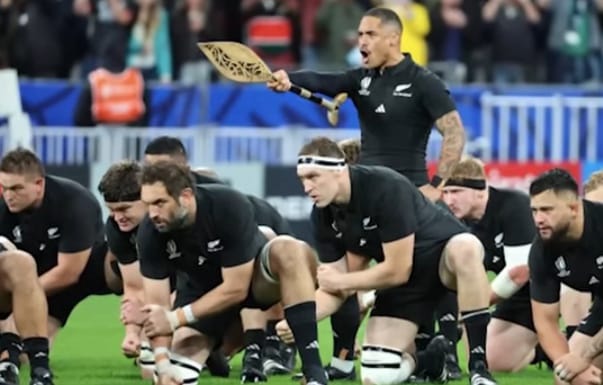
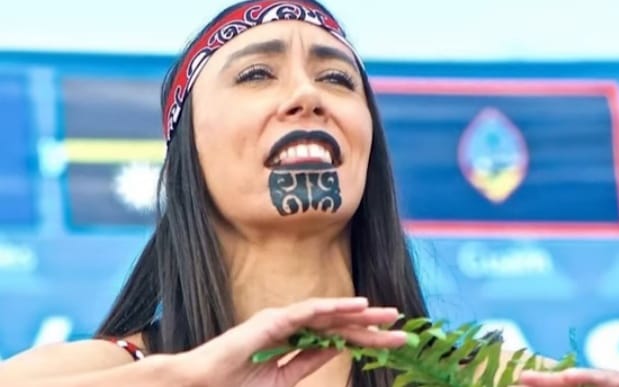
The Maori tribe’s passion for sports is evident in their impressive participation in various athletic disciplines. New Zealand’s national rugby team, the All Blacks, has a long history of performing the Haka dance before matches, which has become an integral part of their pre-game ritual. This tradition has been adopted by other New Zealand sports teams, including the Kiwis (rugby league) and the Black Ferns (women’s rugby).
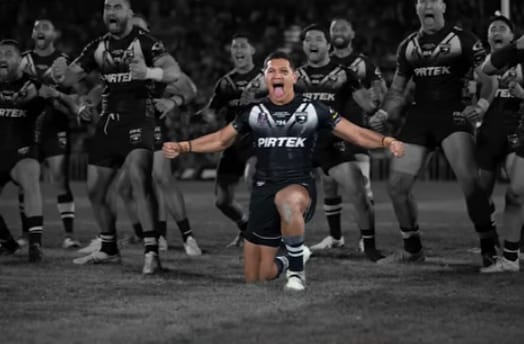
The Maori tribe’s involvement in sports extends beyond rugby. They have made significant contributions to athletics, netball, basketball, and soccer, among other sports. Maori athletes have represented New Zealand in various international competitions, including the Olympics, Commonwealth Games, and World Championships.
Participation in the Army
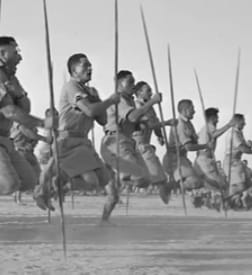
The Maori tribe has a proud history of military service, dating back to the 19th century. During World War I, the Maori Battalion was formed, comprising Maori soldiers who fought alongside New Zealand and British forces. The battalion’s bravery and sacrifice earned them a reputation as fierce and loyal warriors.
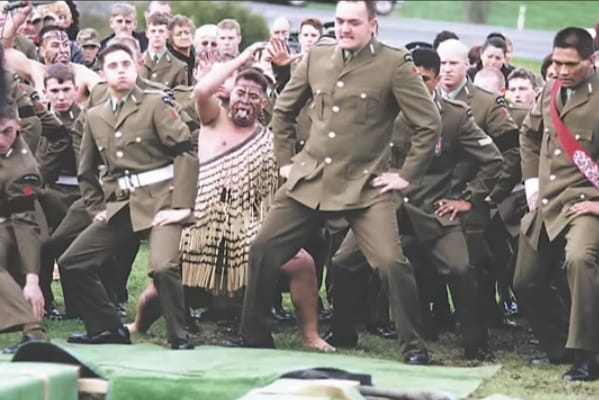
Today, Maori continue to serve in the New Zealand Defence Force, with many holding prominent positions in the army, navy, and air force. The Maori Cultural Group, a performance troupe comprising Defence Force personnel, regularly performs the Haka dance at military ceremonies and events, showcasing their cultural heritage and pride.
Traditional Background
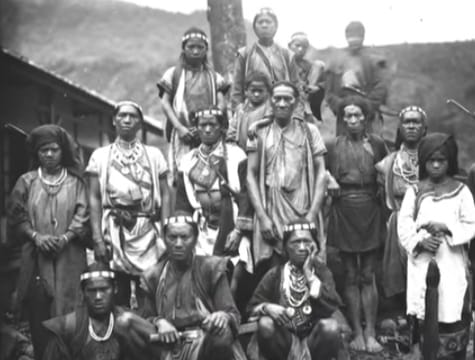
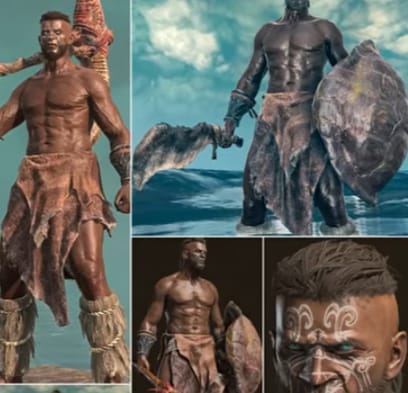
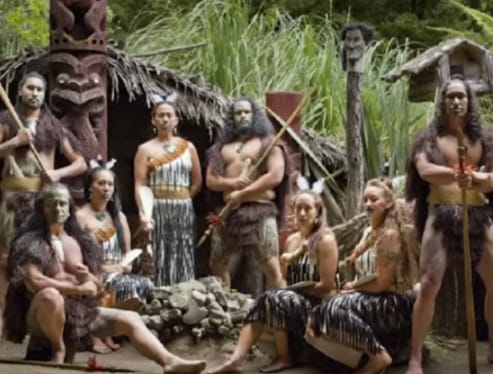
The Maori tribe’s rich cultural heritage is deeply rooted in their traditional way of life. Their ancestors arrived in New Zealand around the 13th century, bringing with them their language, customs, and traditions. The Maori people lived in tribal communities, governed by a complex system of chiefs, elders, and spiritual leaders.
The Maori tribe’s strong connection to their natural environment is reflected in their traditional practices, such as carving, weaving, and tattooing. Their art forms often feature intricate designs and patterns that tell stories of their ancestors, myths, and legends.
Conclusion
The Haka dance is more than just a traditional performance; it represents the Maori tribe’s unwavering spirit, resilience, and pride. Their remarkable participation in sports and the army is a testament to their strength, courage, and loyalty. As we celebrate the rich cultural heritage of the Maori people, we are reminded of the importance of preserving traditional practices and honouring the contributions of indigenous communities around the world.