
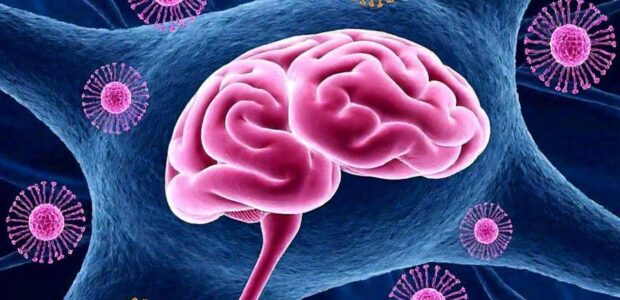

Deep within the intricate networks of the human body lies the City of Brain, a bustling metropolis teeming with activity. While the brain’s various regions and systems work together to keep the city running smoothly, there are tiny, unsung heroes that play a crucial role in maintaining the city’s safety and security: the Microglia.
Meet the Microglia: The Small Guards of the City of Brain
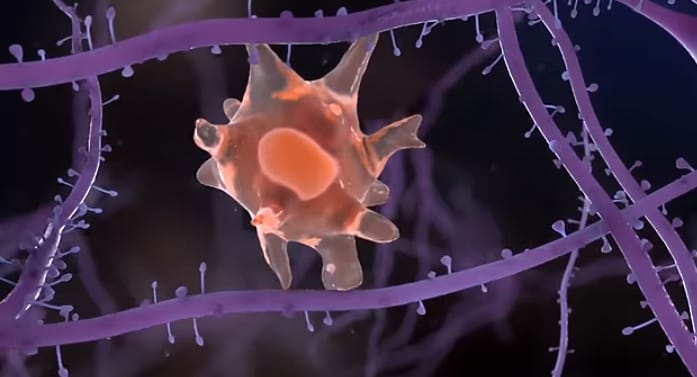
Microglia are a type of glial cell, a non-neuronal cell that provides support and maintenance functions for the brain’s neurons. These tiny cells are the brain’s resident immune cells, responsible for defending the City of Brain against pathogens, toxins, and other foreign invaders.
The Roles and Responsibilities of the Microglia
The microglia are the City of Brain’s first line of defence, constantly patrolling the streets and monitoring the city’s surroundings for potential threats. When they detect an invader, they spring into action, releasing chemical signals to alert other immune cells and coordinating a response to eliminate the threat.
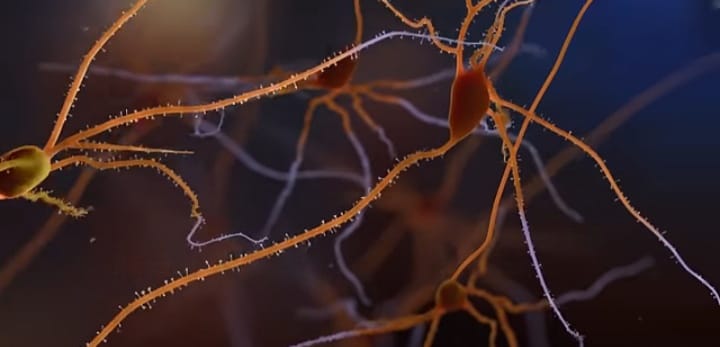
In addition to their immune functions, microglia also play a role in maintaining the City of Brain’s infrastructure. They help to clear away debris and toxins, promoting a healthy environment for the brain’s neurons to function properly.
The Importance of the Microglia
The microglia are essential to the City of Brain’s well-being, and their importance cannot be overstated. Without these tiny guards, the brain would be vulnerable to infection, inflammation, and damage from toxins and other foreign substances.
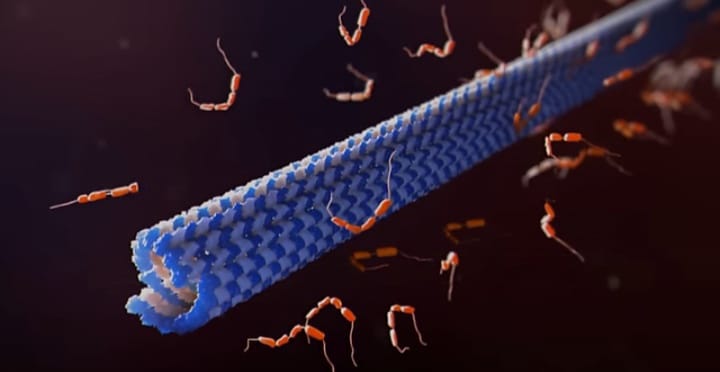
Furthermore, research has shown that microglia play a role in various neurological and psychiatric conditions, including Alzheimer’s disease, Parkinson’s disease, depression, and anxiety. Dysregulation of microglial function has been implicated in these conditions, highlighting the need for further research into the role of microglia in maintaining brain health.
Conclusion
The microglia are the unsung heroes of the City of Brain, working tirelessly behind the scenes to keep the brain safe and healthy. Their importance extends beyond their immune functions, as they also play a critical role in maintaining the brain’s infrastructure and promoting overall brain health. By recognizing the vital contributions of these small guards, we can gain a deeper appreciation for the intricate and complex processes that govern the City of Brain.