


Sleeping disorders, also known as somnipathies, are conditions that affect an individual’s ability to sleep normally. These disorders can significantly impact daily life, causing fatigue, decreased productivity, and mood disturbances. In this blog, we’ll delve into the different types of sleeping disorders, their symptoms, and remedies to help manage and overcome these conditions.
Types of Sleeping Disorders
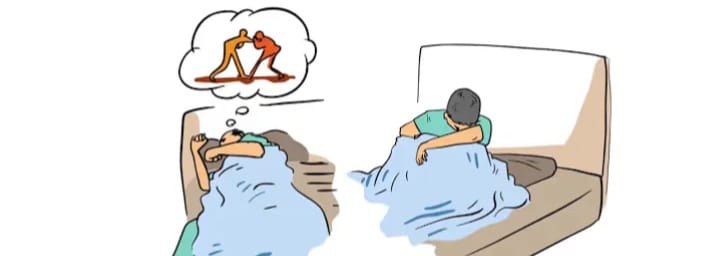
- Insomnia: Characterized by difficulty falling asleep, staying asleep, or experiencing non-restorative sleep.
- Sleep Apnea: A condition where breathing stops and starts repeatedly during sleep, leading to poor sleep quality and daytime fatigue.
- Narcolepsy: A neurological disorder that affects the brain’s ability to regulate sleep-wake cycles, causing excessive daytime sleepiness and sudden sleep attacks.
- Restless Leg Syndrome (RLS): A condition characterized by an uncontrollable urge to move the legs, often accompanied by uncomfortable sensations, making it difficult to fall asleep.
- Periodic Limb Movement Disorder (PLMD): A condition where the legs or arms move involuntarily during sleep, disrupting sleep patterns and quality.
- Sleepwalking (Somnambulism): A condition where an individual walks or performs complex behaviors while asleep, often with no memory of the event.
- Sleep Talking (Somniloquy): A condition where an individual talks during sleep, often without being aware of it.
Symptoms of Sleeping Disorders

- Difficulty falling asleep or staying asleep
- Waking up frequently during the night
- Waking up too early in the morning
- Feeling tired, groggy, or disoriented upon waking
- Difficulty concentrating or paying attention
- Mood disturbances, such as irritability or anxiety
- Headaches or muscle pain
- Difficulty controlling emotions or behaviors
Remedies for Sleeping Disorders
Lifestyle Changes
- Establish a consistent sleep schedule: Go to bed and wake up at the same time every day, including weekends.
- Create a sleep-conducive environment: Make your bedroom dark, quiet, and cool, and invest in a comfortable mattress and pillows.
- Avoid stimulating activities before bedtime: Avoid activities like watching TV, using electronic devices, or engaging in intense conversations before bedtime.
- Exercise regularly: Regular exercise can help improve sleep quality, but avoid vigorous exercise within a few hours of bedtime.
- Avoid caffeine and nicotine: Both caffeine and nicotine can disrupt sleep patterns and make it difficult to fall asleep.
Relaxation Techniques
- Deep breathing exercises: Practice deep, slow breaths to help calm your mind and body.
- Progressive muscle relaxation: Tense and then relax different muscle groups to release tension and promote relaxation.
- Mindfulness meditation: Focus on the present moment and let go of thoughts and worries.
- Yoga: Practice gentle stretches and poses to help relax your body and mind.
Medical Treatments
- Cognitive-behavioral therapy for insomnia (CBT-I): A non-pharmacological approach that helps individuals change their sleep habits and thoughts.
- Sleep aids: Medications like melatonin or prescription sleep aids can help regulate sleep patterns.
- Continuous positive airway pressure (CPAP): A treatment for sleep apnea that involves wearing a mask that delivers constant airflow.
Conclusion
Sleeping disorders can significantly impact daily life, but there are many remedies available to help manage and overcome these conditions. By making lifestyle changes, practicing relaxation techniques, and seeking medical treatment when necessary, individuals can improve their sleep quality and overall well-being. Remember, it’s essential to consult with a healthcare professional for proper diagnosis and treatment of sleeping disorders.