
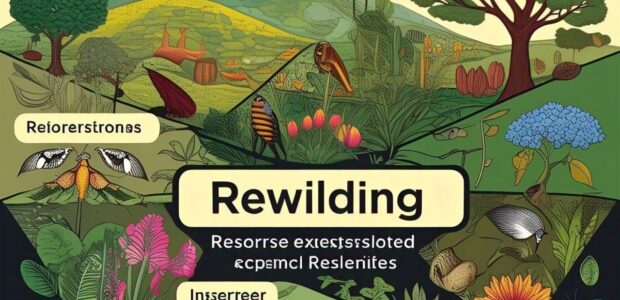

Rewilding, or the process of reintroducing animals into the wild, has gained significant attention in recent years as a promising conservation strategy. The goal of rewilding is to restore ecosystems and promote biodiversity by reintroducing native species that have become extinct or are no longer present in a particular area.
Benefits of Rewilding
Rewilding offers numerous benefits for ecosystems and biodiversity. Some of the most significant advantages include:

- Restored ecosystems: Rewilding helps to restore ecosystems by reintroducing native species that play a crucial role in maintaining the balance of nature.
- Increased biodiversity: By reintroducing native species, rewilding promotes biodiversity and helps to preserve ecosystem services.
- Improved ecosystem resilience: Rewilding can improve the resilience of ecosystems to climate change, disease outbreaks, and other disturbances.
- Enhanced ecosystem services: Rewilding can enhance ecosystem services such as pollination, seed dispersal, and nutrient cycling.
Examples of Successful Rewilding Projects
There are several successful rewilding projects around the world that demonstrate the effectiveness of this conservation strategy. Some examples include:
- The reintroduction of wolves to Yellowstone National Park in the United States, which has helped to restore the park’s ecosystem and promote biodiversity.
- The reintroduction of beavers to the United Kingdom, which has helped to restore wetland ecosystems and promote biodiversity.
- The reintroduction of black-footed ferrets to the wild in the United States, which has helped to conserve this endangered species and promote ecosystem health.
Challenges and Limitations of Rewilding
While rewilding offers numerous benefits for ecosystems and biodiversity, it also presents several challenges and limitations. Some of the most significant challenges include:

- Habitat fragmentation: Human activities such as deforestation, urbanization, and agriculture have led to habitat fragmentation, making it difficult to find suitable habitats for reintroduced species.
- Human-wildlife conflict: Rewilding can lead to conflicts between humans and wildlife, particularly if reintroduced species compete with humans for resources or pose a threat to human safety.
- Disease transmission: Rewilding can lead to the transmission of diseases between reintroduced species and native species, which can have negative impacts on ecosystem health.
Conclusion
Rewilding is a promising conservation strategy that offers numerous benefits for ecosystems and biodiversity. However, it also presents several challenges and limitations that must be carefully considered. By understanding the benefits and challenges of rewilding, conservationists and policymakers can work together to develop effective rewilding strategies that promote ecosystem health and conserve biodiversity.