
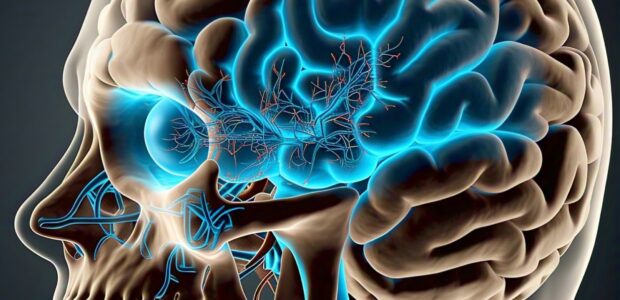

Orbitofrontal cortex (OFC) is a region in the frontal lobe of the brain that plays a critical role in various higher-order cognitive functions, including decision-making, reward processing, and social behaviour. In this blog, we will explore the specific role of the OFC in social judgement and emotions, highlighting its importance in shaping our interactions with others and influencing our emotional experiences.
Social Judgement and the OFC
Social judgement refers to the process of evaluating others’ behaviour, intentions, and character. The OFC is involved in this process, particularly in situations that require empathy, perspective-taking, and understanding of social norms. Studies have shown that damage to the OFC can lead to impairments in social judgement, including difficulties in recognizing facial expressions, interpreting social cues, and understanding sarcasm and irony.
The Case of Phineas Gage
One of the most famous cases illustrating the importance of the OFC in social judgement and emotions is that of Phineas Gage, a railroad foreman who suffered a severe head injury in 1848. While working with explosives, a metal rod pierced Gage’s skull, damaging his OFC. Miraculously, Gage survived the accident, but his behavior and personality underwent a significant transformation.

Before the accident, Gage was known to be responsible, reliable, and affable. However, after the injury, he became prone to fits of anger, impulsivity, and aggression. He would often swear, make poor decisions, and exhibit a lack of empathy for others. Gage’s friends and family reported that he was “no longer Gage,” highlighting the profound impact of OFC damage on social behaviour and emotional regulation.
Emotions and the OFC
The OFC is also critical for emotional processing, particularly in the context of social interactions. Emotions such as empathy, guilt, and shame are essential for social behaviour, and the OFC plays a key role in processing these emotions.
The OFC’s role in emotional processing is thought to be related to its function in:
- Emotional Valuation: The OFC assigns emotional value to stimuli, which influences our emotional responses. For example, when we encounter a stimulus associated with a positive emotional experience, the OFC may enhance the emotional response.
- Emotional Regulation: The OFC helps regulate emotional responses, which is essential for maintaining healthy social relationships.
- Empathy and Perspective-Taking: The OFC is involved in empathy and perspective-taking, allowing us to understand and share others’ emotional experiences.
Clinical Implications
Damage to the OFC, such as in cases of traumatic brain injury or neurodegenerative diseases, can lead to impairments in social judgement and emotional processing. This can result in difficulties with social relationships, decision-making, and emotional regulation.
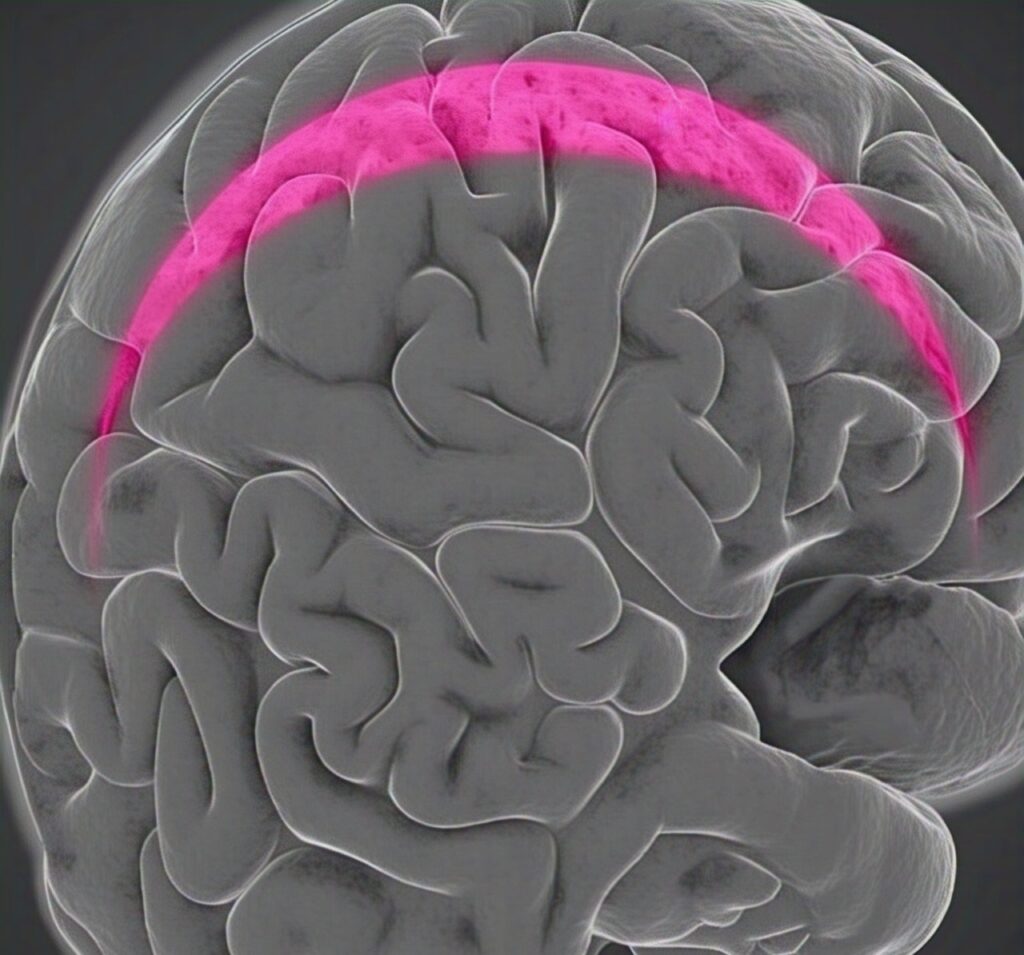
Understanding the role of the OFC in social judgement and emotions has important clinical implications, particularly in the treatment of:
- Traumatic Brain Injury: Targeting the OFC and its associated neural networks may help alleviate symptoms of traumatic brain injury.
- Antisocial Personality Disorder: Individuals with antisocial personality disorder often exhibit impaired social judgement and emotional processing, which may be related to abnormalities in the OFC.
- Neurodegenerative Diseases: Understanding the role of the OFC in social judgement and emotions may help develop novel therapeutic strategies for neurodegenerative diseases, such as frontotemporal dementia.
Conclusion
The orbitofrontal cortex plays a critical role in social judgement and emotions, influencing our ability to navigate complex social situations and interact with others. The case of Phineas Gage highlights the importance of the OFC in shaping our social behaviour and emotional experiences. Further research on the OFC’s role in social judgement and emotions may lead to novel therapeutic strategies for various clinical conditions, ultimately improving our understanding of the complex neural mechanisms underlying human social behaviour.